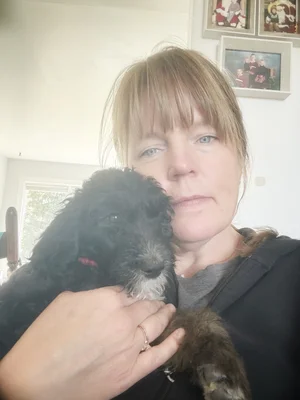
Your Puppy’s Daily Routine
Helping Your Puppy Thrive During the First Few Weeks at Home
The first few weeks in your puppy’s new home are all about building routines. Puppies thrive on consistency, and a predictable schedule will help with house training, crate training, confidence, and creating a strong bond with your famly.
Morning Routine
Wake up
As soon as your puppy wakes up and comes out of the crate, take them directly outside for a potty break. Avoid playing or getting distracted first-this helps establish good house training habits from day one.
Breakfast
Feed breakfast between 6:00-8:00am, choosing a time that works best for your family’s schedule. The important part is keeping the timing consistent and serving the first meal by 8:00am whenever possible.
Potty after Meals
After every meal, immediateluy take your puppy outside for another potty break. Allow at least 5 minutes so they have enought time to both urinate and have a bowel movement.
Play, Bond & Train
After breakfast is the perfect time to spend quality time with your puppy.
Try activities such as:
gentle play on the floor
cuddles and handling
tossing a soft toy
short training sessions
Young puppies learn best with multiple short training sessions throughout the day rather than one long session.
The First Two Skills I teach
Sit
Use a piece of the Carna 4 kibble included in your take-home bag as a reward while teaching “sit”
Gentle
Hold a treat in your closed hand. Wait until your puppy stops mouthing your hand or backs away before opening your hand and rewarding them. This exercise naturally progresses into teaching the “leave it” command.
Potty Breaks Throughout the Day
I like to take my puppies outside very hour while they are awake.
A simple rule to remember is:
Always take your puppy outside after:
crate time
playtime
mealtime
These are the times they are most likely to need to go.
Having your puppy close allows you to quickly recognize trhe signs that they need to go outside before an accident happens.
You will soon begin to recognize behaviors such as:
sniffing the floor
walking in circles
suddenly wandering away
heading toward the door
becoming distracted during play
The sooner you notice these signals, the faster house training usually progresses.
Preventing Accidents
If your don’t have a safely enclosed area where your puppy can stay, I recommend keeping a lightweight leash attached while they’re with you in the house. Having your puppy close allows you to quickly notice when they’re sniffing, circling, or showing signs they need to go outside.
When in doubt, simply take them outside. Setting an hourly timer on your phone can be a great reminder during those first few weeks.
Nap Time
After play and training, encourage your puppy to have a nap in their crate with the door closed.
Puppies need a tremendous amount of sleep. An overtired puppy often becomes overly excited, nippy, barky, and generally mischievous. Many behavior issues disappear after a good nap!
Lunch (12:30-1:30pm)
Lunch time will depend on when breakfast was served. After lunch, follow the same routine:
Eat, Potty, Play and Nap
Following this simple pattern throughout the day helps your puppy quickly understand what to expect and builds healthy habits from the very beginning.
Crate Training
One of the biggest keys to successful crate training is keeping the crate close to where you are. Your puppy feels safer when they can see and hear you. One of the hardest—but most important—parts of crate training is resisting the urge to let your puppy out while they are barking or whining. If you open the crate while they’re making noise, they quickly learn that barking gets the door opened. Instead, wait patiently for even two or three seconds of quiet before opening the door. As soon as they come out, take them straight outside for a potty break.
The first few days can be noisy, but staying consistent now will pay off tremendously in the future.
Teaching a Potty Cue
Every time your puppy begins to urinate outside, quietly repeat:
“Go Pee”
Eventually your puppy will associate those words with the action and you’ll have a dog that can potty on command—a skill that becomes incredibly useful before car rides, bedtime, or heading into stores or appointments.
Exercise & Socialization
Young puppies do not need long walks! Instead, spend a few minutes each day practicing walking on a leash around your backyard or even inside your home. The goal isn’t exercise—it’s building confidence. Until your puppy is fully vaccinated, be extremely careful where their paws touch the ground.
Continue exposing them to the world by:
carrying them through stores that allow pets
taking them to watch people
letting them observe other dogs from a safe distance
riding in shopping carts when appropriate
These experiences are incredibly valuable for socialization.
Avoid dog parks until your puppy is fully vaccinated. Personally, I am not a huge fan of dog parks, but if you choose to visit one later, always observe the dogs inside before entering.
When visiting your vet for vaccinations, carry your puppy into and out of the clinic whenever possible, as vet offices can have higher exposure to germs. After the second set of vaccinations, you can begin taking short walks and gradually exploring more places. Always keep your puppy away from dog feces, as it can carry diseases that are dangerous for young puppies.
Home Alone
As a general guideline during the daytime, puppies can stay in their crate for approximately one hour for every month of age.
For example:
An 8 week old puppy should not be crated longer than about two hours before having an opportunity to go outside.
Nighttime is different, and puppies are often able to sleep much longer.
Evening Routines
I like to feed supper around 6:00pm
Offer the last drink of water around 7:00pm to help reduce overnight potty trips.
Bedtime
Aim for bedtime between 10:00 and 10:30pm
First Night
Set an alarm for approximately 2:00-3:00 am . Take your puppy outside with zero interaction.
no playing
no cuddles
no talking
Simply potty and return directly to the crate. If your puppy cries afterward, you can quietly reassure them by gently placing your hand near the crate or softly petting them through the bars, but keep interaction to a minimum.
Second Night
Move the alarm to 3:00-4:00 am
Continue extending the nighttime potty break little by little. Most puppies begin sleeping longer suprisingly quickly.
One of the puppies from this litter will be staying with me for our True North Sheepadoodles board and train option. I’ll be sharing our daily routines and training tips on Instagram, so you’ll be able to follow along and continue building on the same foundation your puppy started here.
Stay consistent with crate training.
Stay patient with house training
Celebrate the small victories.
The work you put in during these first few weeks will shape the wonderful companion your puppy becomes.
I also highly recommend enrolling in a puppy training class affter your puppy has received their second set of vaccinations. We did this with Bearie, and it made a tremendous difference in his confidence and training.
To my Puppy Families,
THANK YOU!
Thank you for trusting True North Sheepadoodles to raise your puppy. Every puppy leaves our home deeply loved, and we feel incredibly grateful to have been part of their story. We know they will bring endless joy, laughter, and companionship to your family.
Watching our puppies grow is one orf the greatest rewards of breeding, so please don’t hesitate to send updates and photos. Nothing makes us happier than seeing them thrive in their new homes.
Wishing you many wonderful adventures together!
Heidi~True North Sheepadoodles