Why Positive Reinforcement Works So Well With Puppies
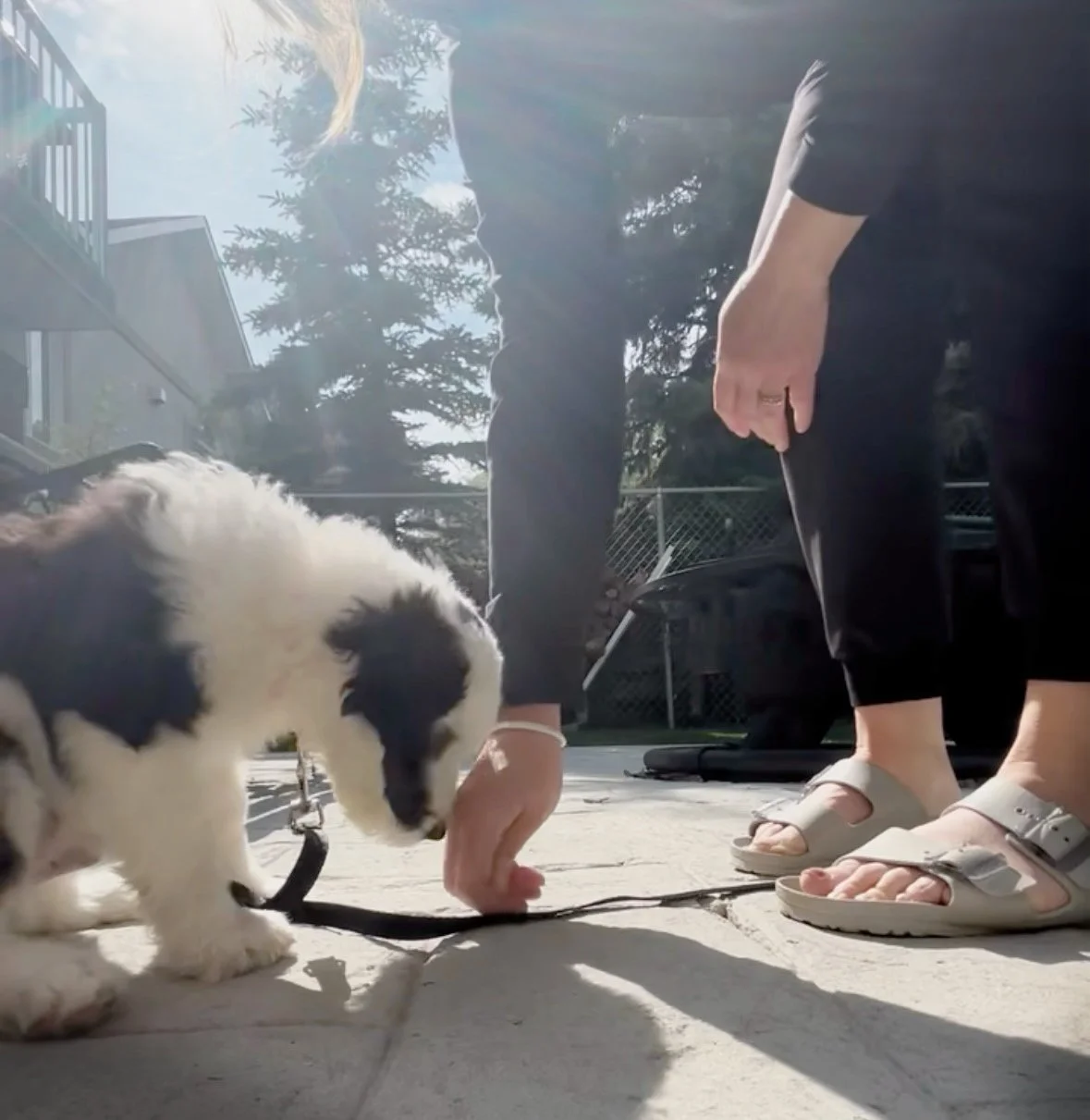
One of the biggest things I’ve learned from raising my own dogs and puppies is just how powerful positive reinforcement really is.
At its core, it’s simple. When a puppy does something you like, you reward it.
That reward might be a treat, gentle praise, affection, or even a bit of play. Over time, the puppy starts repeating those behaviors because they lead to something good. What I love most about this approach is what it builds in the puppy.
Instead of feeling unsure or worried about getting things wrong, they start to feel safe trying, learning, and figuring things out. That confidence makes such a difference as they grow.
With my own puppies, I start this in very small, natural ways. If a puppy chooses to come toward me, I acknowledge it. If they sit on their own, I quietly praise it. If they interact calmly, I reinforce that moment. These little things might seem small, but they add up quickly.
Puppies are always learning—whether we realize it or not. When we consistently reward the behaviors we want, we’re shaping how they respond to the world every single day. That doesn’t mean puppies won’t make mistakes. Of course they will.
They’ll chew things they shouldn’t.
They’ll have accidents.
They’ll test boundaries.
That’s all part of learning.
Why Positive Reinforcement Works So Well With Puppies matters most is how we respond in those moments. Instead of focusing only on what they’re doing wrong, I’ve learned to focus on guiding them toward what’s right.
If a puppy is chewing something they shouldn’t, I simply redirect them to something appropriate—and when they make that better choice, I reinforce it. Over time, they begin to understand.
Positive reinforcement also builds a stronger relationship. Your puppy starts to see you as someone they can trust and learn from—not someone they need to fear or avoid. That connection becomes the foundation for everything else you teach.
A few simple ways I use it every day:
Reward the behavior you want to see more of
Keep training short and positive
Use your voice and praise just as much as treats
Set your puppy up for success instead of constant correction
Stay consistent so things are clear
In the end, this isn’t just about training. It’s about raising a dog who is confident, willing to learn, and happy to work with you.
In the next post, I’ll share one of the most common mistakes I see with puppies—and how to avoid it.