Don’t Put Away the Crate Just Yet
By the time your puppy is around four months old, things are usually starting to feel a little easier. They’re sleeping better. Potty training is improving. You’re starting to understand each other. And for a lot of families, this is the stage where they start wondering if the crate can finally go.
As someone who has raised a lot of puppies, I can tell you this is usually the exact time I would say: not quite yet.
Even I have had puppies where I start thinking, Wow, they’re doing so well. Maybe they’re ready for more freedom. And then they very quickly remind me that they are still babies.
Four Months Old Is Still Very Young
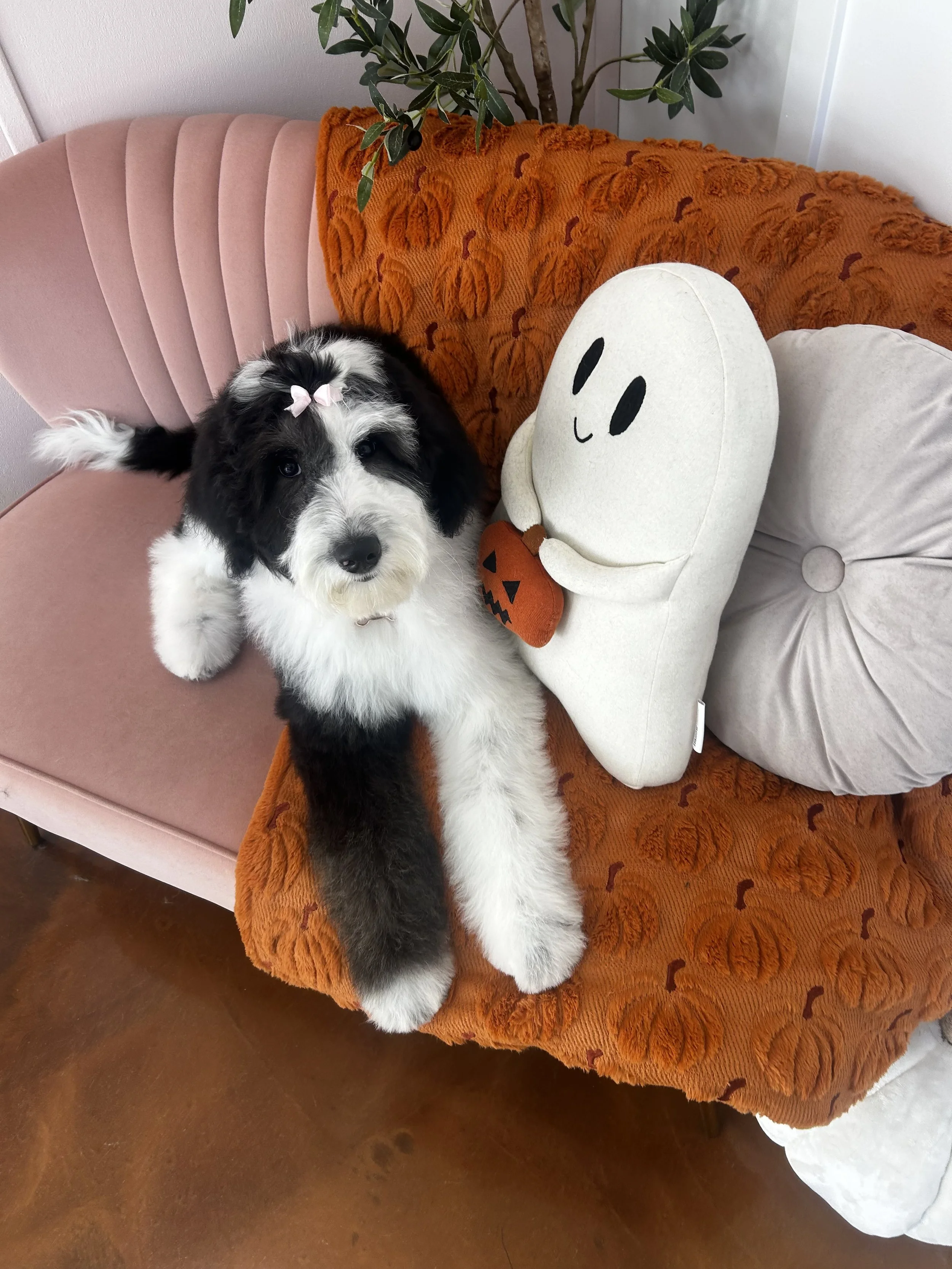
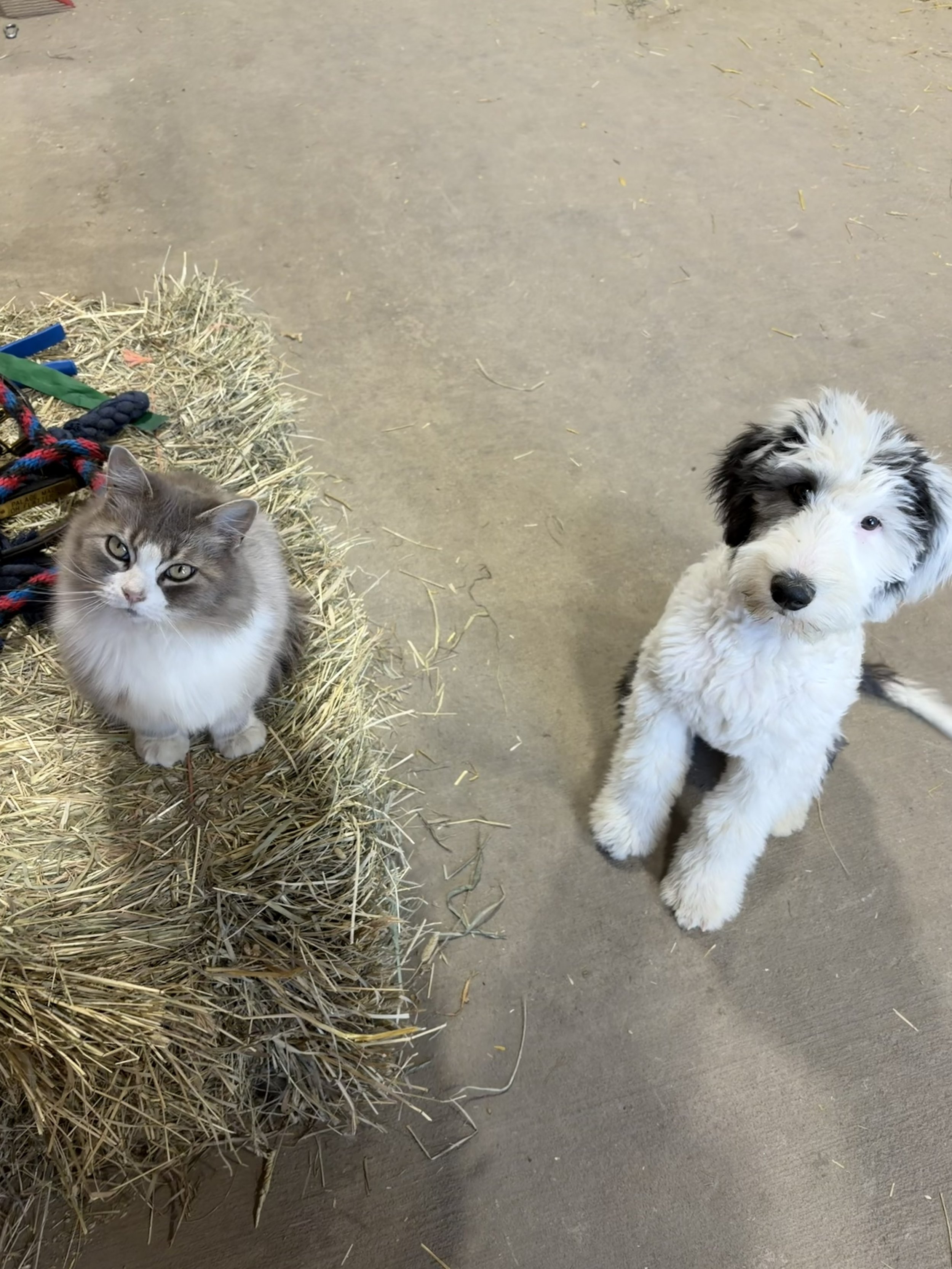
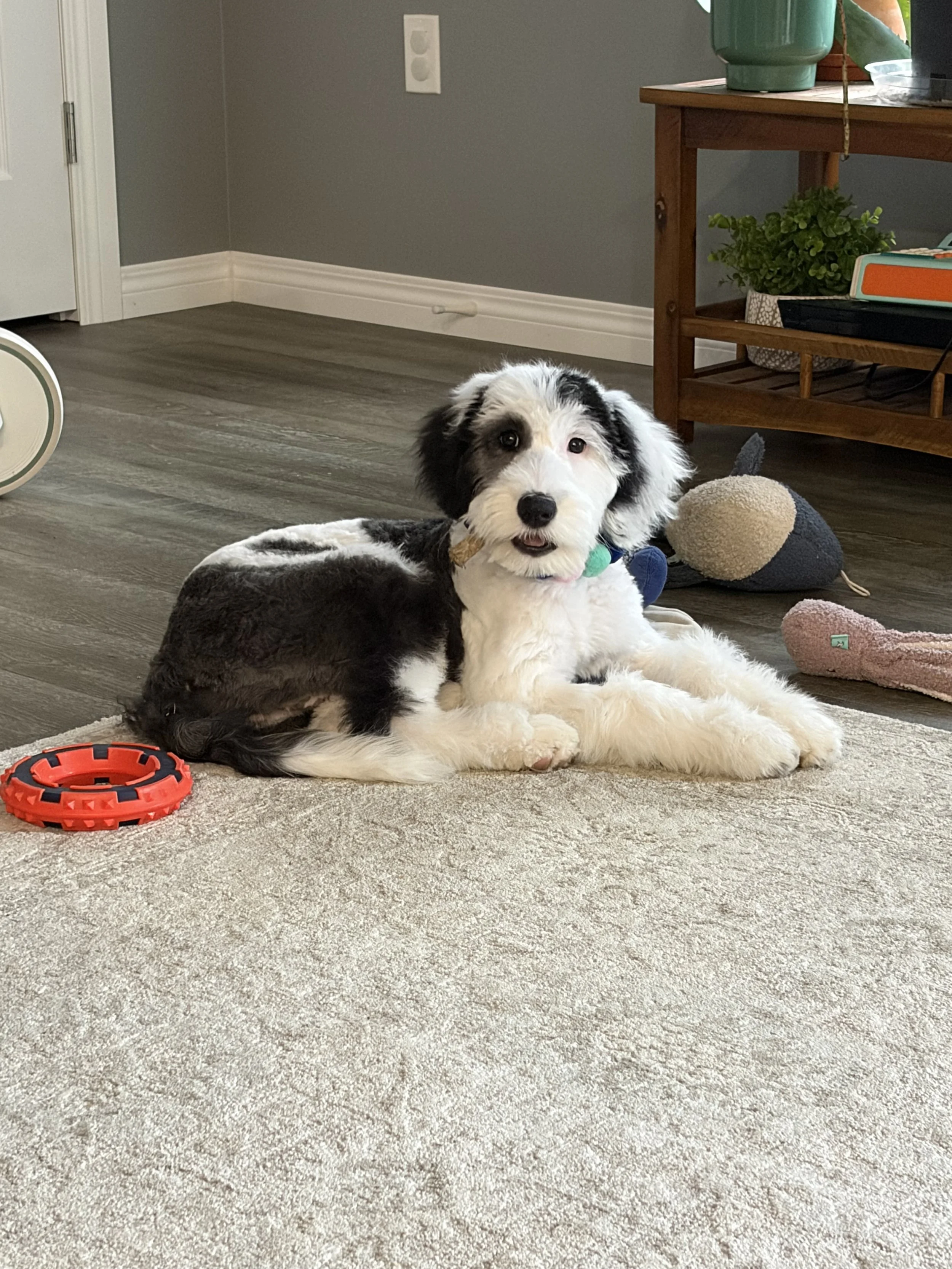
A four-month-old puppy may look bigger and act more confident, but they are still learning so much. They are still learning where to potty, what they can and cannot chew, how to settle themselves, and how to handle being left alone. This is also the stage where puppies can become a little more curious and a little more adventurous. Sometimes that sweet puppy who followed you everywhere suddenly discovers that shoes are fun, garbage cans are interesting and furniture corners taste pretty good. That doesn’t mean your puppy is becoming “bad. It usually just means they need a little more structure again.
The Crate Is One of the Best Tools We Have
I always want my puppies to see their crate as a safe place. It should be somewhere they can sleep, relax and shut off from the world for a bit. One thing I see often at this age is an overtired puppy. They’re biting more. They’re zooming around the house. They seem wild and impossible to settle. Our first thought is sometimes, This puppy needs more exercise. But a lot of the time, what they actually need is a nap. Just like toddlers, puppies can get a little crazy when they’re overtired. A quiet nap in their crate can completely change the rest of the evening.
Don’t Give Too Much Freedom Too Fast
This is probably one of the biggest pieces of advice I give puppy families. Freedom should come slowly. If your puppy hasn’t had an accident for a week, that’s wonderful—but it doesn’t necessarily mean they are fully potty trained. If they haven’t chewed anything yet, that also doesn’t mean they won’t. I would rather prevent those habits than have to fix them later. Use baby gates. Close doors. Keep your puppy close to you. And when you can’t watch them, use the crate. That isn’t being mean. It is setting them up to succeed.
Even after raising puppies for years, I still use crates for my own dogs. Not because I don’t trust them, but because I know how helpful routine and structure are. The crate gives me peace of mind, and it gives themselves a place where they know exactly what is expected of them. I also want every puppy I raise to be comfortable being crated because there may be times later in life when they need it. Travel, the groomer, the vet, recovery after surgery or an injury. A dog that already feels safe in a crate will handle those situations so much better.
There Is No Rush
There is no prize for being the first family to get rid of the crate. Some puppies are ready for more freedom sooner than others. That’s okay. Keep using what is working. Keep building good habits. And if your four-month-old puppy suddenly seems a little wild again, remember—you are not going backwards. They’re growing, learning and testing out the world around them.
A little structure now can save you a whole lot of frustration later.
Think of freedom as something your puppy earns in small, successful steps—not something you have to give all at once. Start with a little more space when they are calm, supervised and consistently making good choices. If they handle it well, you can gradually expand their world. If they struggle, simply return to the last level that was working and try again later.
The best signs of readiness are not just a puppy who looks older, but one who can stay accident-free, leave household items alone, settle without constant help and make good choices even when you are not standing right beside them.
Eventually, you may notice that the crate door has been left open for weeks and your dog is choosing to rest there—or moving calmly through the house without getting into trouble. That is the moment you can trust the freedom, because your puppy has shown you they are ready for it.f